PART III
South African's black Gold:Trade-Union Women fight for Worker's Right
»I don't think the workers' struggle can be divorced
from the community's struggle because the workers
become community at the end of the day.«
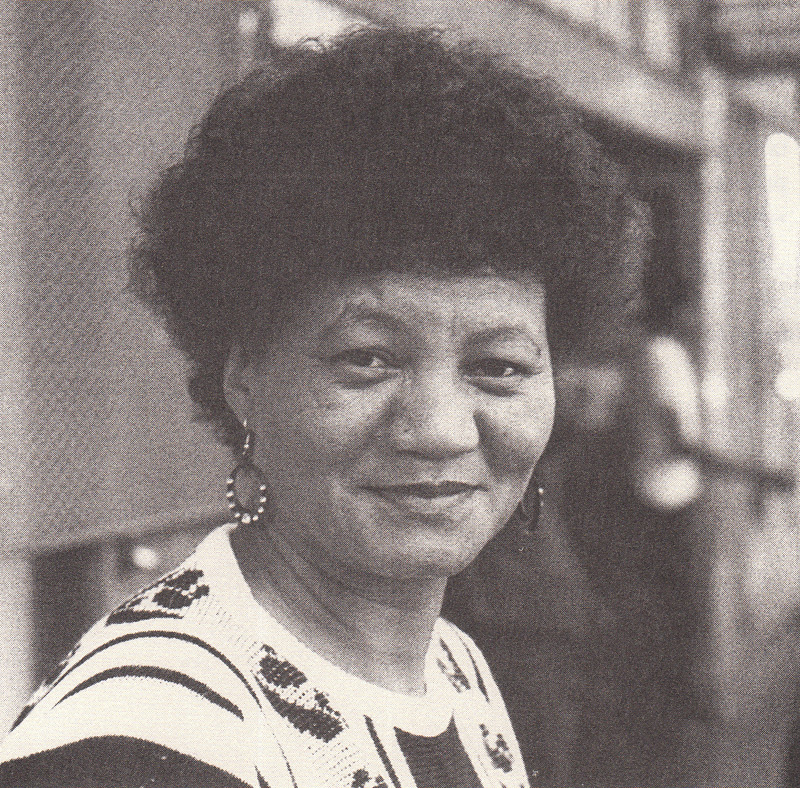
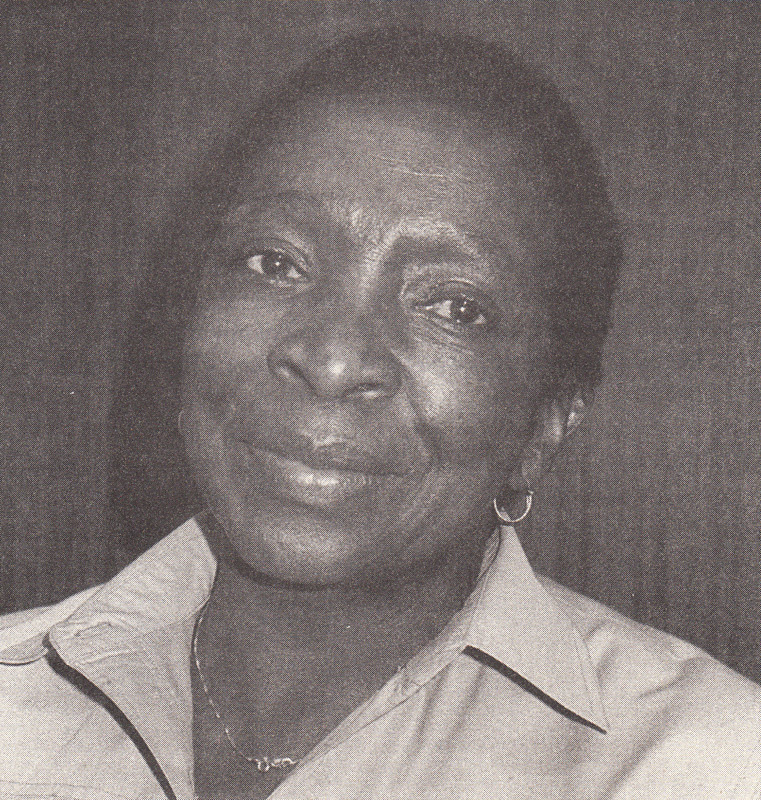
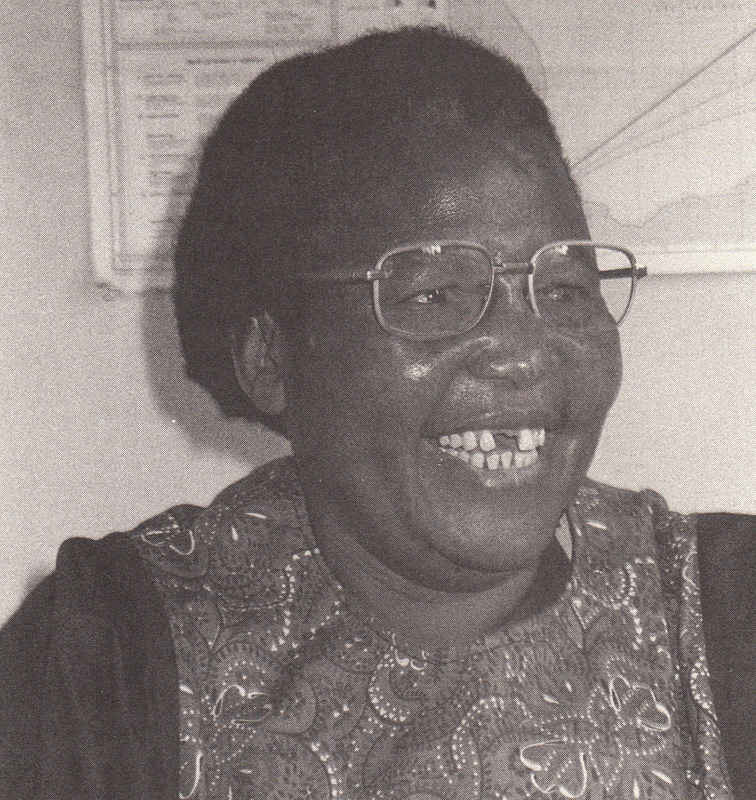
»I don't think the workers' struggle can be divorced
from the community's struggle because the workers
become community at the end of the day.«
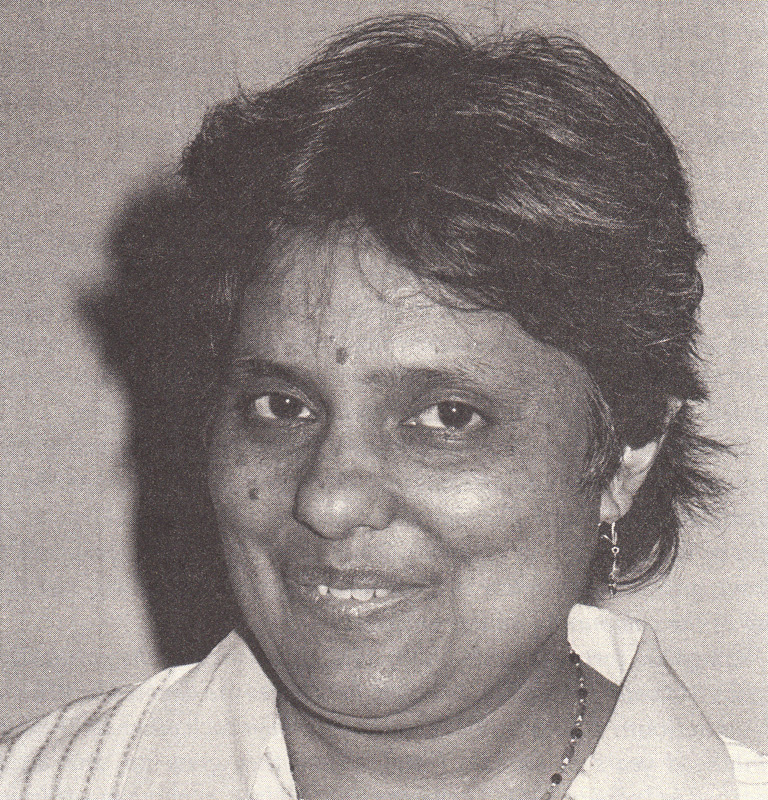
»In South Africa you don't decide to join politics;
politics decides to join you.«
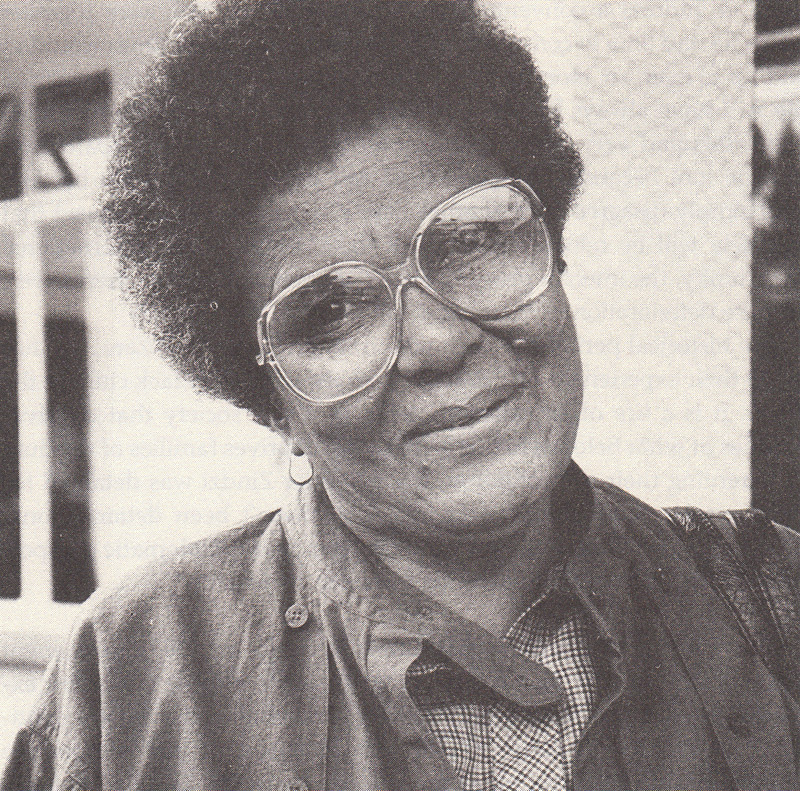
RUTH MOMPATI
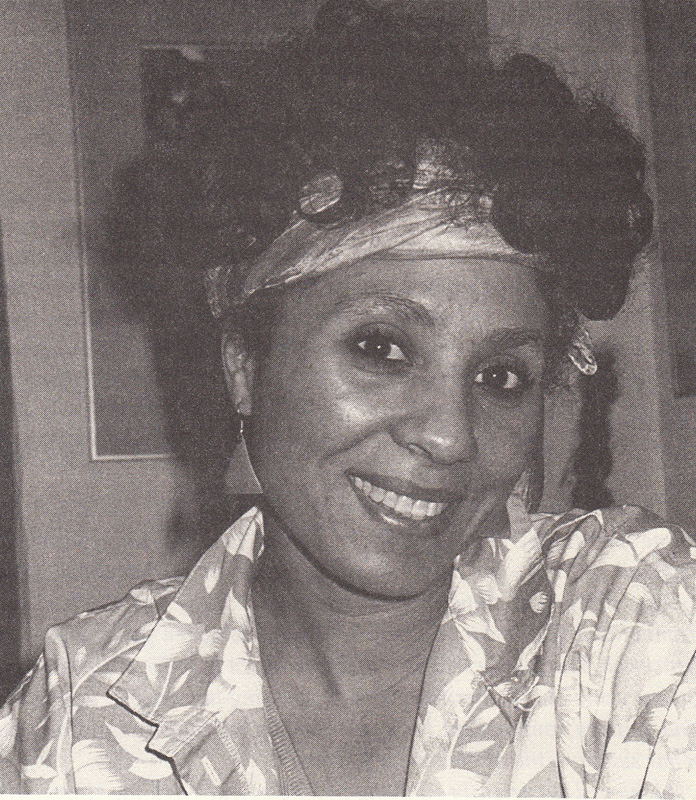
»I wasn't frightened because I used to tell myself that
I wouldn't be the first one to die in prison.
Also, it wasn't so different from the kind of life
we lived outside where I never knew what was going to happen
from one day to the next«.
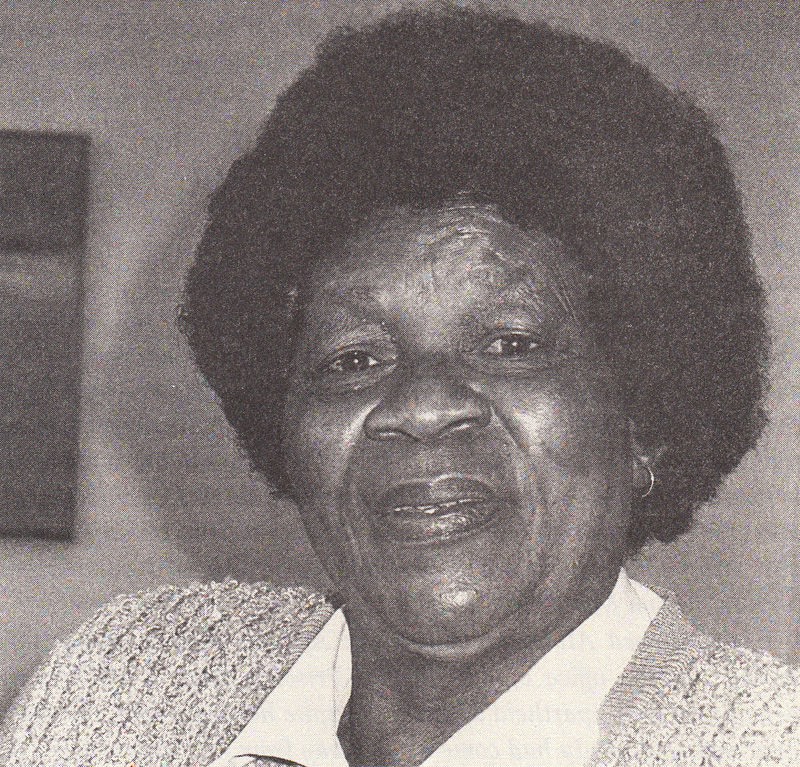
CONNIE MOFOKENG
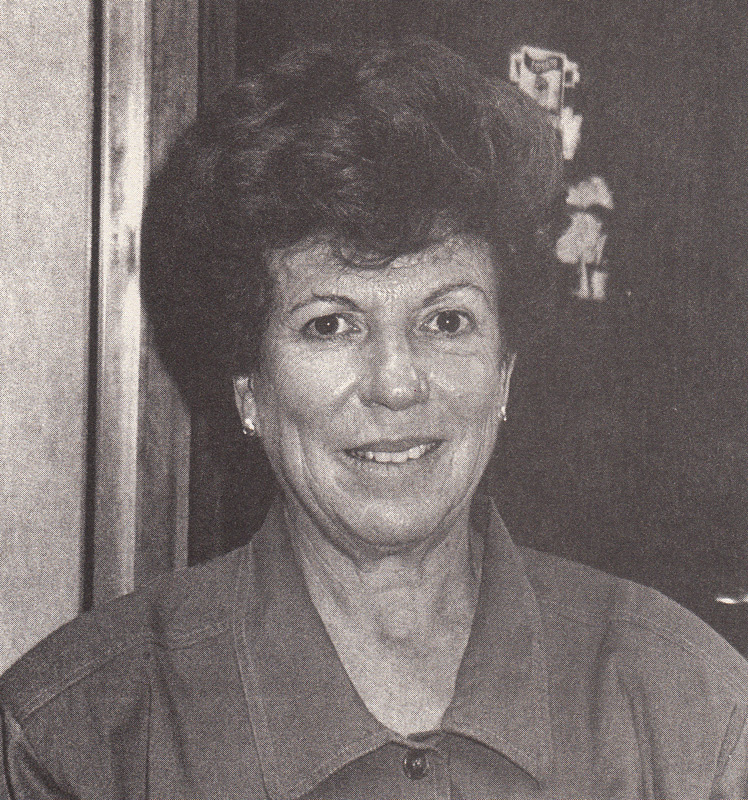
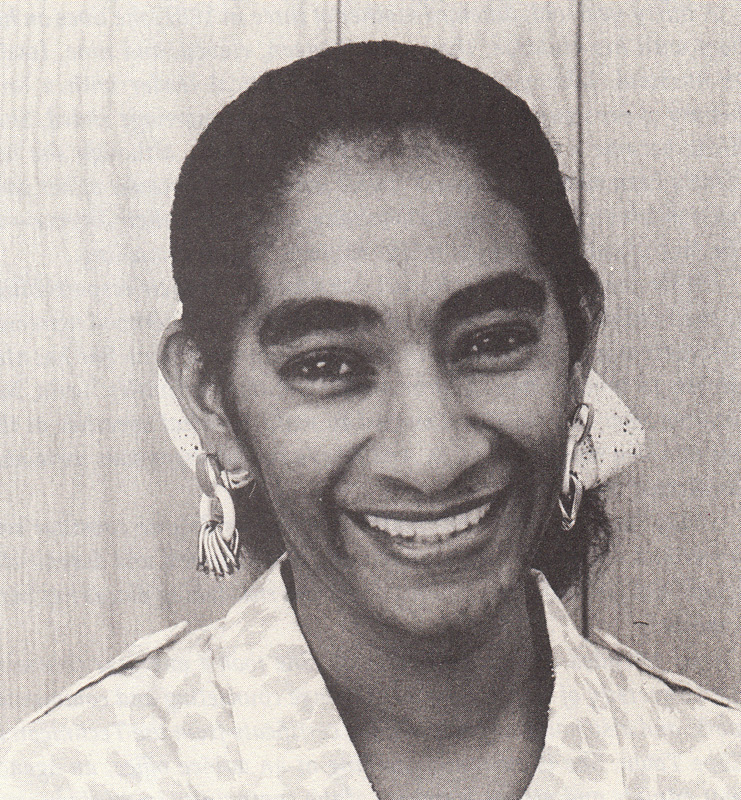
Of all the many people who made the publication of Lives of Courage possible, I am, of course, most indebted to the sixty women who agreed to be interviewed for this book. I am still unable to explain how it is that so many women in the embattled South African anti-apartheid movement were willing to open their doors and their hearts to talk to me. I know that part of the answer is that political activists there are so eager to have the real story of their struggle be known in the United States and other countries that they are willing to take the risks involved in speaking out.
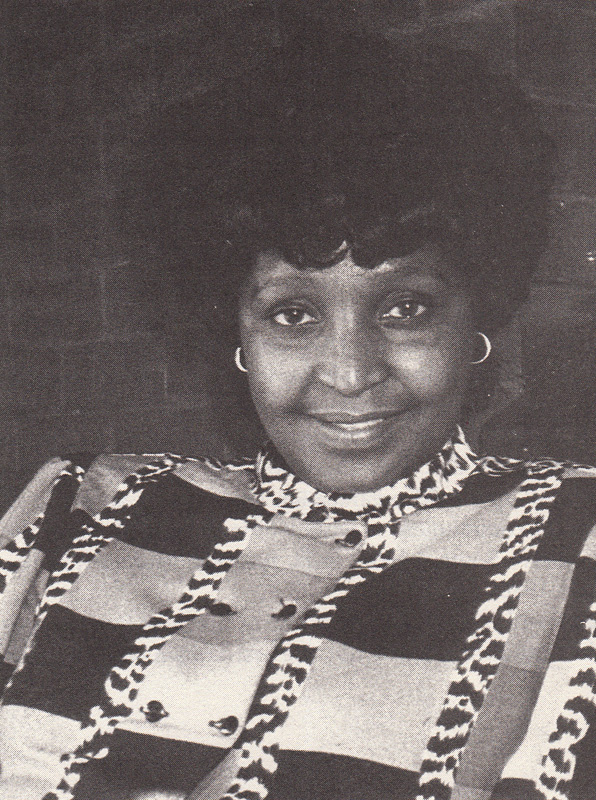
»The rest of the world doesn't know what it means to live with a people
who are consumed by hate, a people who are so petrified of domination,
who feel that if they share power, it means they will lose their identity.
The Afrikaners' neurotic desire to keep their purity as a race is something
like what Hitler must have had in mind when he flung the rest of the world
into a state of chaos, with millions losing their lives because of their race.«
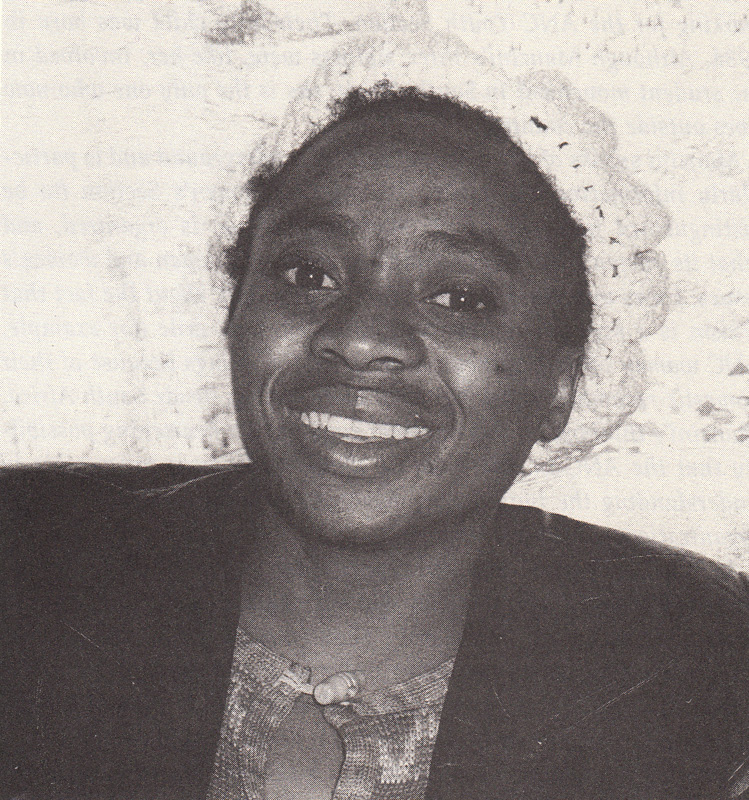
WINNIE MANDELA





Ich mochte sie schon gern, als wir noch gar nicht miteinander reden konnten. Die Kopelews waren wenige Wochen zuvor zu einem Studienaufenthalt nach Köln gekommen. Lew hatte sich bereit erklärt, in der Stadtbibliothek aus seinen Erinnerungen zu lesen. An diesem Abend bin ich Raissa Orlowa zum ersten Mal begegnet. Sie saß vorne, in der ersten Reihe, auf ihrem Schoß lag eine Kopie des deutschen Manuskripts von Lew. Während er vorlas, las sie mit: den Kopf tief über das Papier gebeugt, sehr aufmerksam, sehr konzentriert die Gelegenheit benutzend, Deutsch zu lernen.
Wir sind Exilierte - die einen aus freiem Willen, die anderen durch den Willen des Schicksals. In bizarrer Weise - unvereinbar und doch untrennbar - begegnen sich in uns jene Welt, die wir verließen (oder die uns ausstieß), und jene Welt, die uns aufnahm. Vielleicht trübt diese besondere Kombination von Erinnerungen und Eindrücken nicht den Blick, sondern hilft mir sogar, das zu sehen, was diej enigen, die nur in einer Welt leben, nicht sehen können?
Raissa Orlowa-Kopelew